Growing with AI: A 2026 Half-Year Review
Rushing to Taipei 101 for a Mac mini
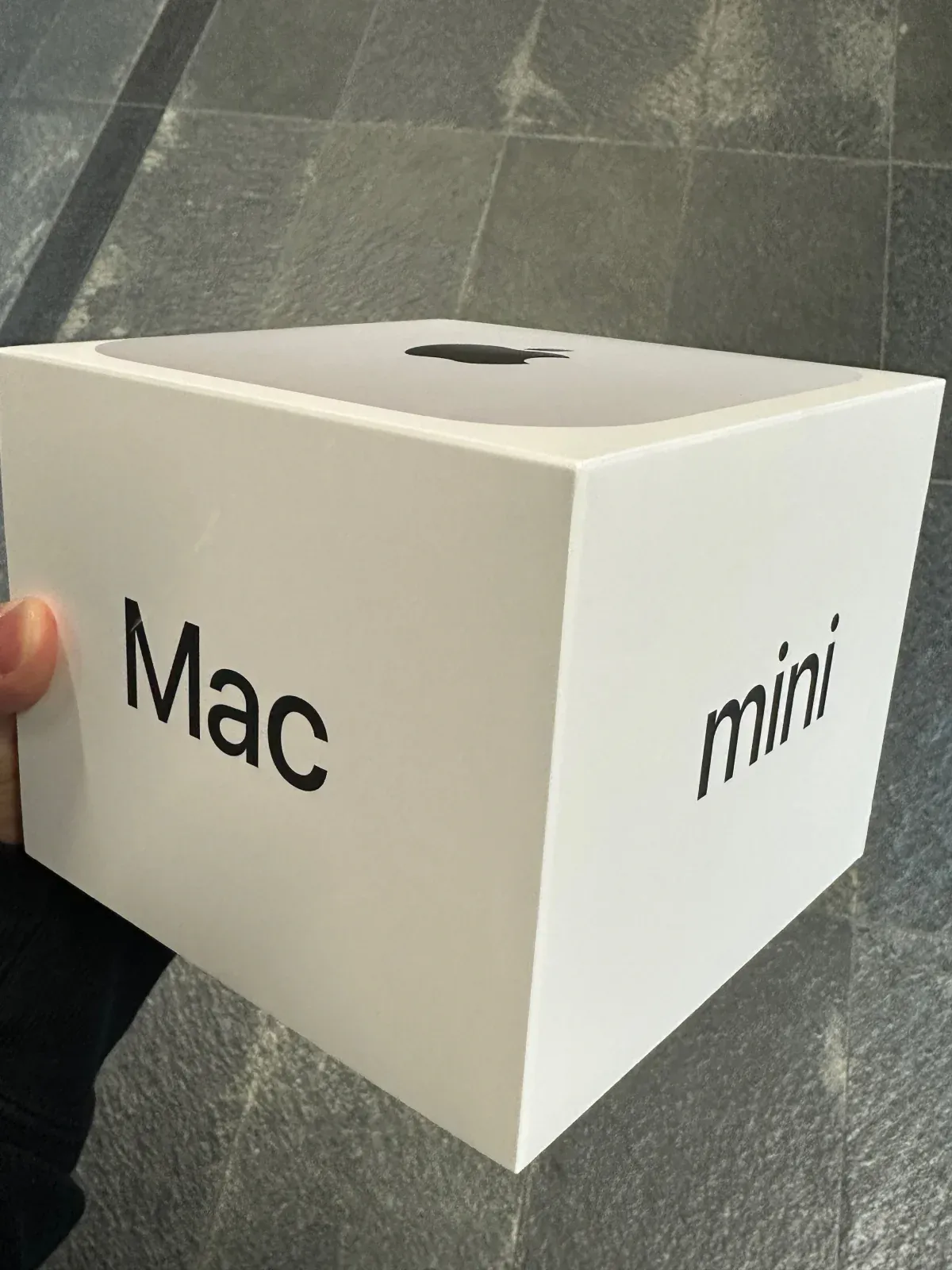
On February 6, 2026, I had just come back to Taiwan from Japan. I’d already read so many people’s posts about running their own “lobster” (OpenClaw), and it all looked so cool that I couldn’t sit still. The next day I rushed to Taipei 101 to buy a Mac mini, since I could pick it up the same day. As soon as I got home I started setting it up like crazy and got my own OpenClaw running.
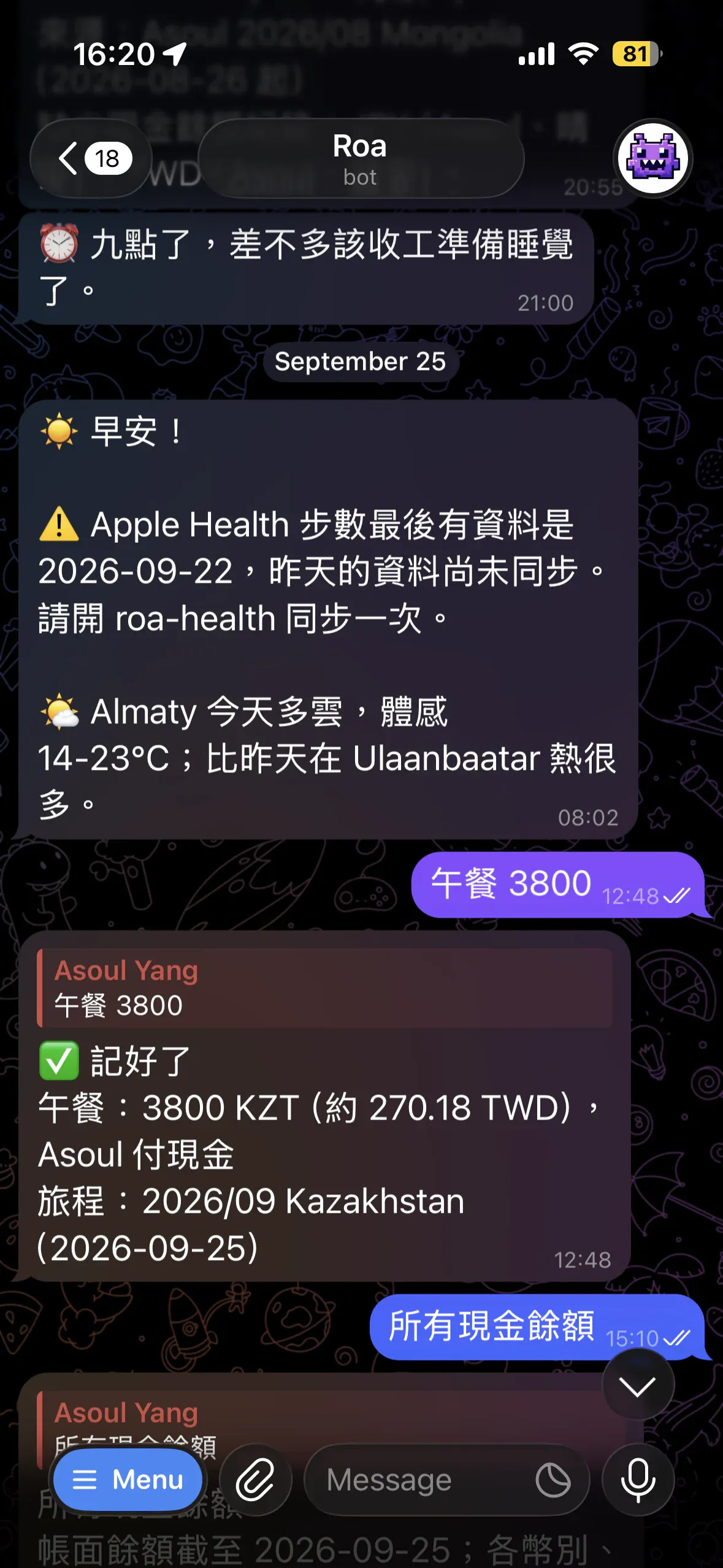
After asking ChatGPT and Gemini, I named my OpenClaw Roa, with 👾 as its icon. Claude Opus 4.6 was at its peak back then, and some kind of AGI seemed to have already arrived, so I started building a brand-new AI assistant system of my own. I’d had a habit of tracking all sorts of data for a long time, so I began pulling my old systems and data together.
At first OpenClaw blew up, with a new version every few days. I kept chasing the latest updates and reading about all the different ways people online were using theirs. I tried quite a few setups and architectures myself, including multi-agent collaboration and managing different tasks across multiple Telegram and Discord channels, always looking for ways to fit AI better into my life.
By April, OpenClaw and Opus were getting less stable with each upgrade, and Anthropic announced it would restrict third-party harnesses from using Claude subscriptions, so I started slowly moving my system over to ChatGPT Codex.
Then I realized that since my data and rules were already consolidated into a single source of truth (SSOT), things could run pretty reliably without OpenClaw at all. So I kept that architecture, with Roa as one unified assistant and multiple sessions handling different tasks, and it has been running steadily ever since.
These days the main work goes through Codex, and I occasionally use Telegram for quick, simple daily tasks. Behind Telegram is a harness I had AI write for me, and Jev, which came out recently, works really well with it: it reads what a message means and quickly picks from a set of predefined options. Before, I might have needed specific keywords or had to name a skill explicitly to trigger something quickly. Now Jev works out the meaning and hands it to a fixed workflow, so small daily chores like logging expenses have become really fast.
Woven into every part of life
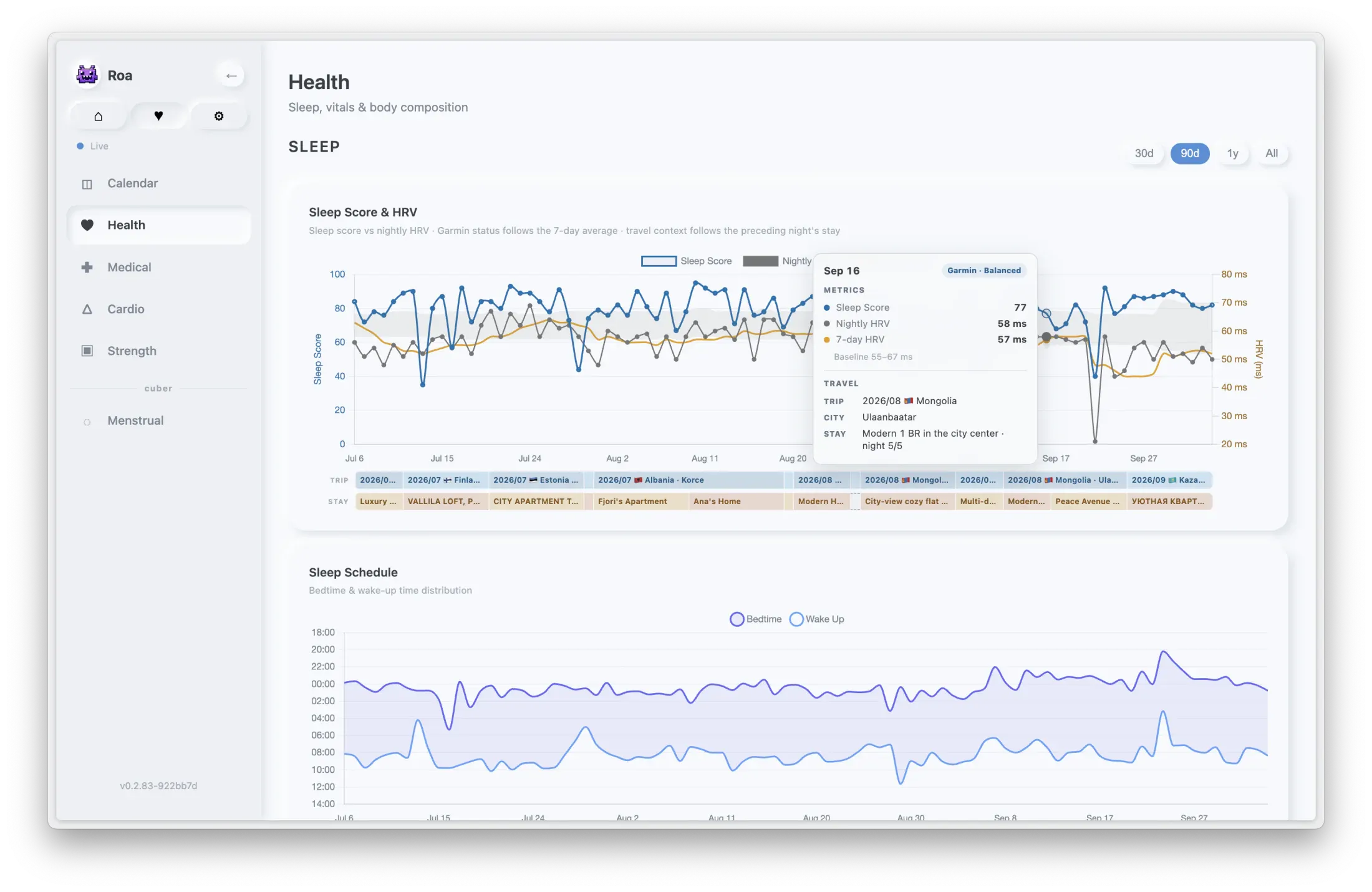
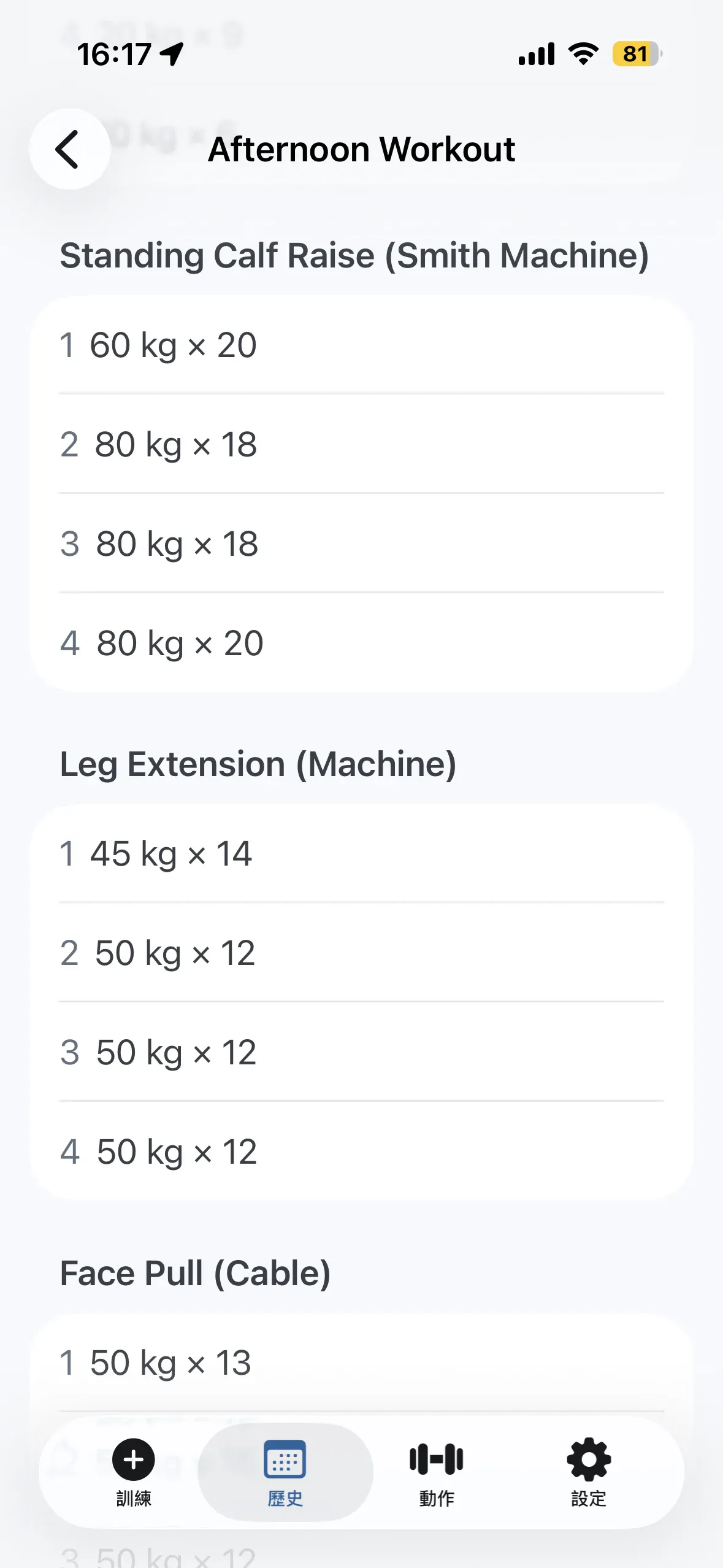
Bit by bit, the system has come to cover every part of my life. For health, it brings together workout and sleep data from Apple Health and Garmin. I used to use the Workout app, and later built my own fitness app that connects straight to my database.
For finance, it covers stocks, crypto, bank accounts, credit card spending and more, keeping track of how my assets change and logging card purchases automatically. For travel, it saves me a lot of time on everything from recording and analyzing expenses to searching for flights and Airbnbs and counting Schengen days.
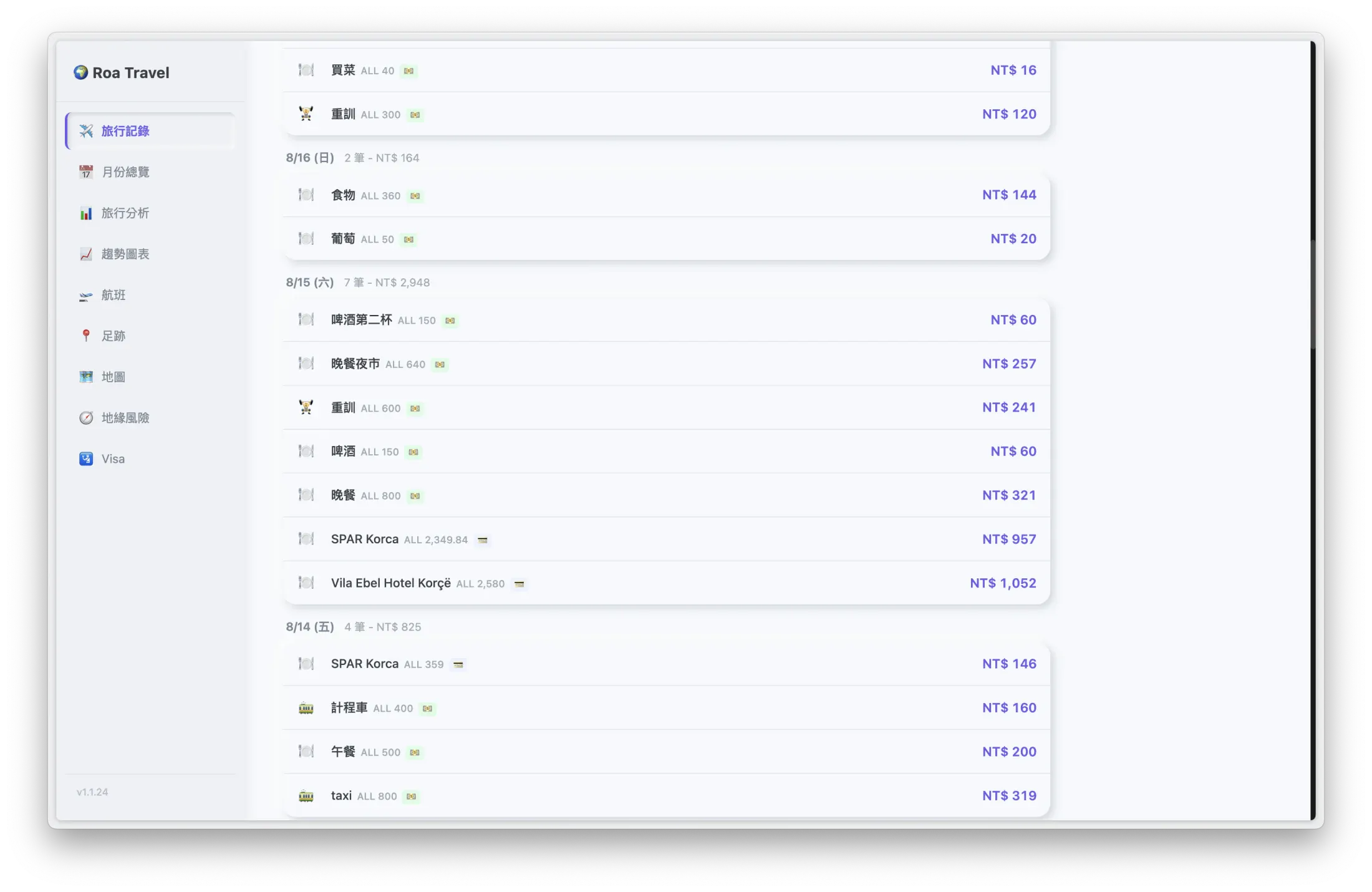
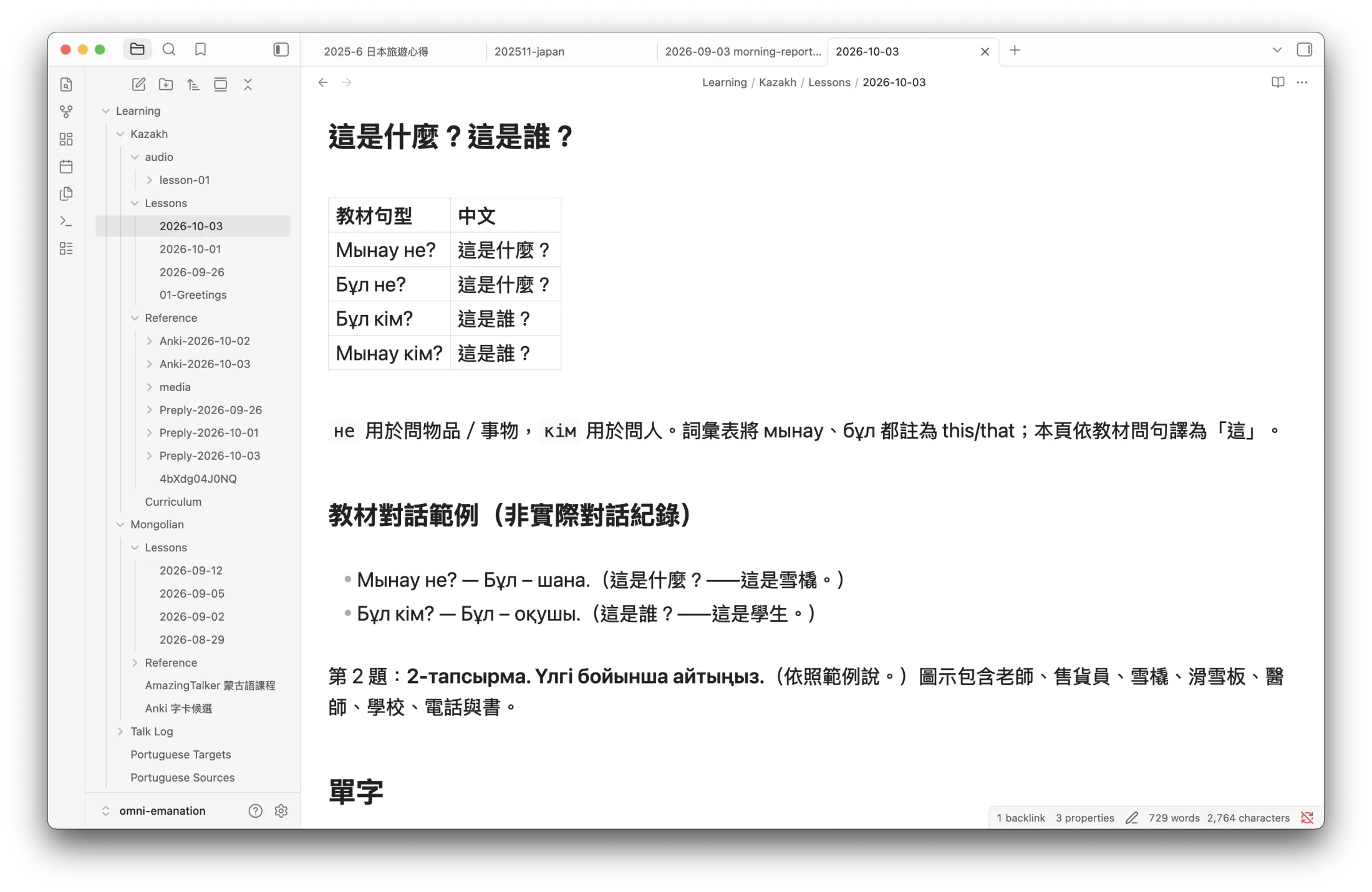
My habit tracking used to be scattered across Google Sheets, Notion and Bear, and that’s all in the system now too. For learning, after I finish a Huberman Lab podcast episode, the related papers get saved, and new words can be turned into Anki cards automatically. I now have flashcard decks in quite a few languages, and I often start a new one whenever I arrive in a new country.

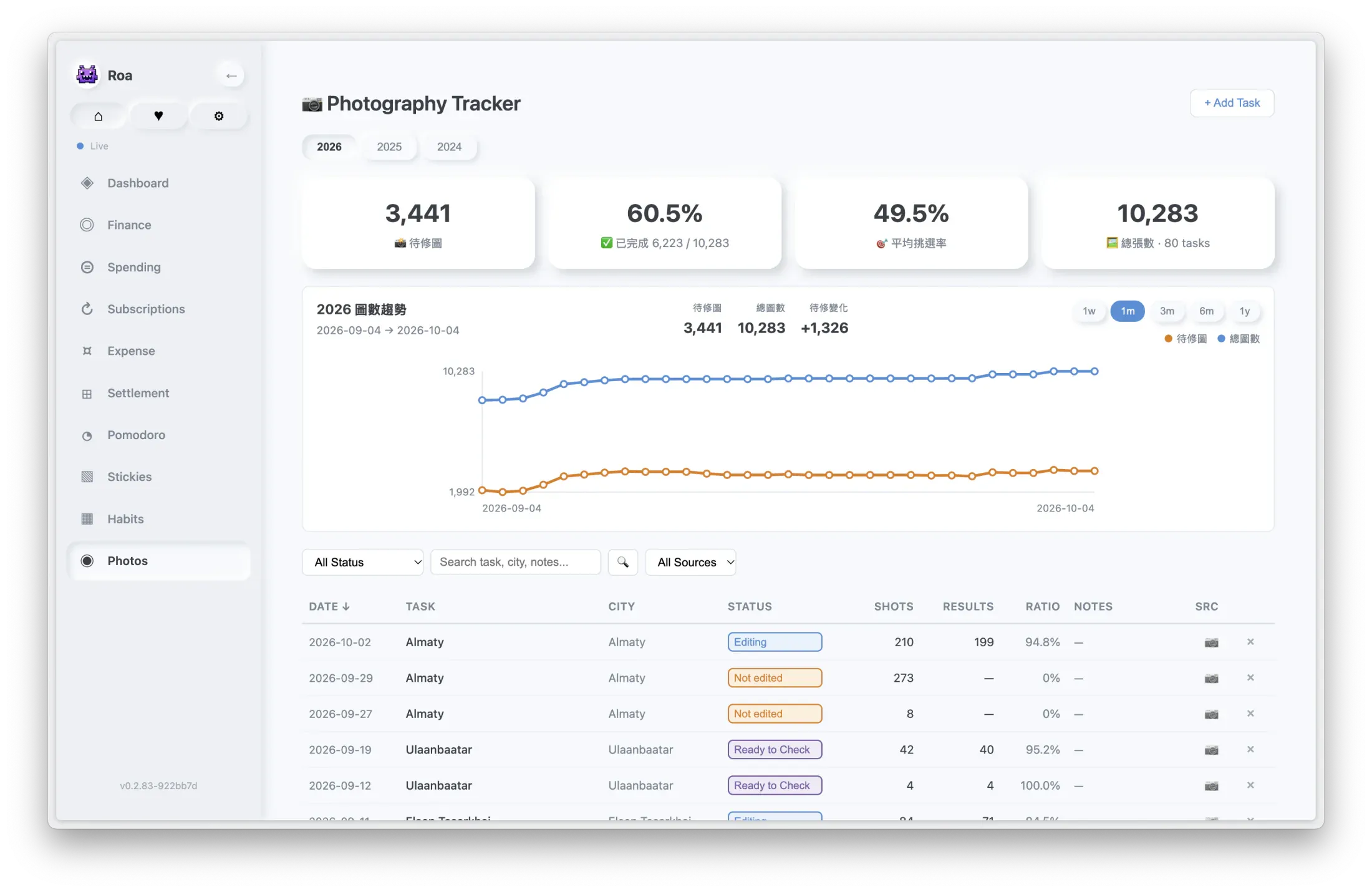
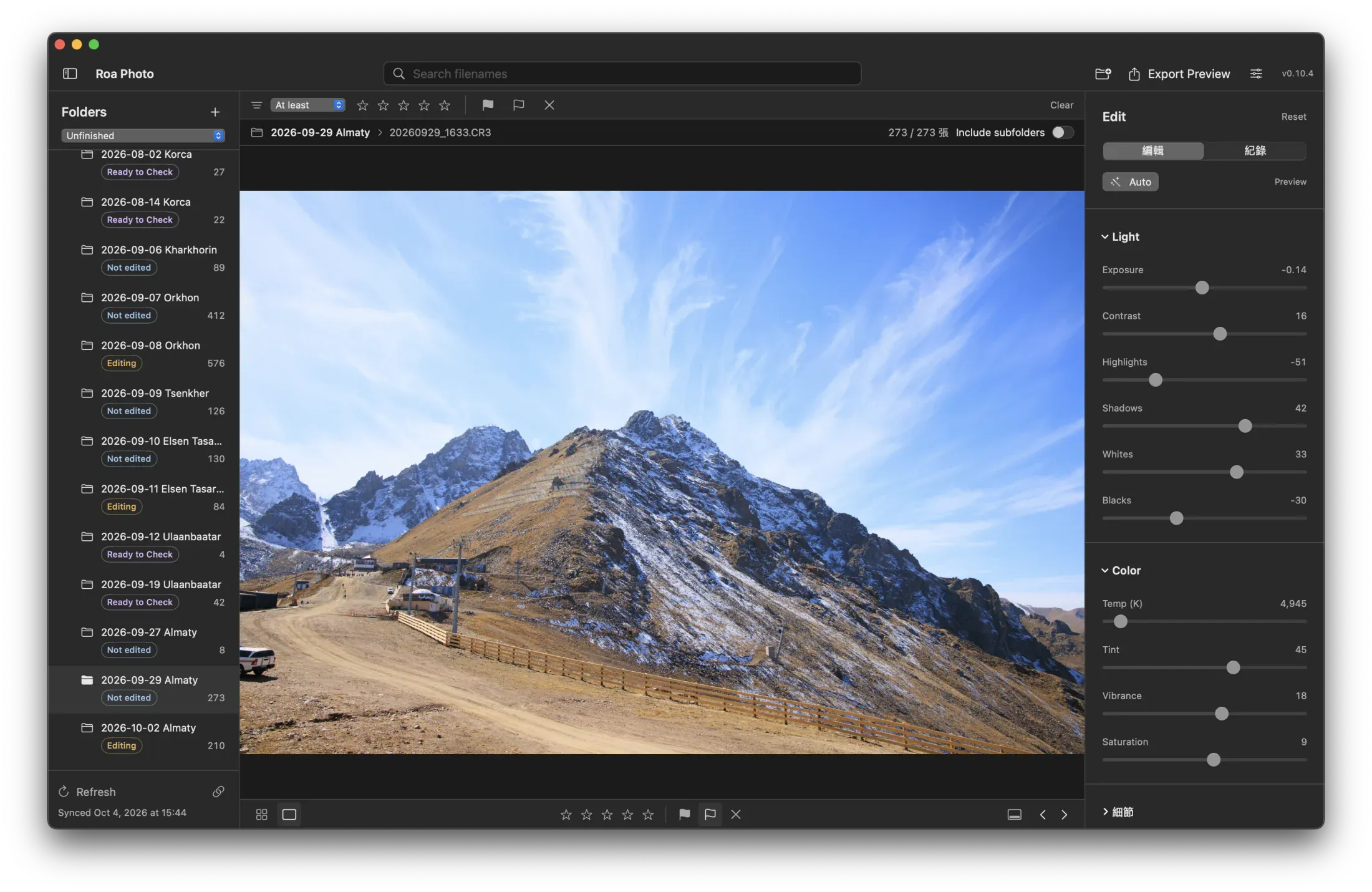
I’ve also kept making games. I think games are a fascinating medium: visuals, sound, worldbuilding, story and level design all come together in one place. Traveling, I often get that “wow, this is so cool~” feeling, and I want to capture some of those moments through games. AI has helped with some of the 3D modeling and Godot development, and it got a lot stronger after the upgrade to GPT-6 Astra. Photo editing started out as just tracking which photos needed editing and how many were left, more like project management. Later I built my own photo editing app to replace Lightroom. It loads faster and connects to my own database.
I also brought my old notes from Notion, Bear and Apple Notes into the system. At first I let AI give it a hilariously grandiose name, 萬象靈衍 (omni-emanation), which we later shortened to omni. Besides my old data, it also holds skills, specs and rules shared across projects, so when a session restarts, AI can load this knowledge and dig into the details only when it needs them.
Of course, the system also monitors and repairs itself. Every night it automatically checks omni for outdated information, updates content, fixes links and so on. For a while it also reflected on our conversations, counting how many times I’d sworn at it, and then fixed whatever it had done badly. Eventually I found I’d tried just about everything that changing the rules could fix. For some things, AI just isn’t smart enough yet: it reads the docs and still doesn’t follow them. Piling more onto the text only makes it messier and actually makes AI worse at getting things done. Give it a while to evolve a bit more, and maybe it won’t make those mistakes anymore.
Growing with AI
Months have flown by, and it feels like AI and I have been steadily growing together. The system was fairly unstable in the first few months, and I wasn’t sure how best to use it to fit my life on the road, so it took a while for us to find our rhythm. After that I used it almost every day. While I travel, the system runs in the background on its own every day, woven into my life like running water and electricity. When I first got AI’s superpowered development abilities, I wanted to build everything myself. But I later realized that even though the cost of making an app has become incredibly low, a good experience still takes a lot of time spent polishing the product before it feels right to use. It’s like how, even if you’re a great cook, instant noodles are still nice now and then. I stuck with the Workout app for quite a while before deciding to make my own. I was already using Anki and I’m used to it, so I’m not planning to replace it yet. A lot of the time I’m torn between “just put up with it a little longer” and “forget it, I’ll build my own.” I only roll up my sleeves once the need gets pressing enough. Of course there were plenty of odds-and-ends projects along the way too. When I was playing Pokémon Champions, I made my own wiki and team-building site. I also made my own desktop sticky notes that can be linked together with lines, and so on.
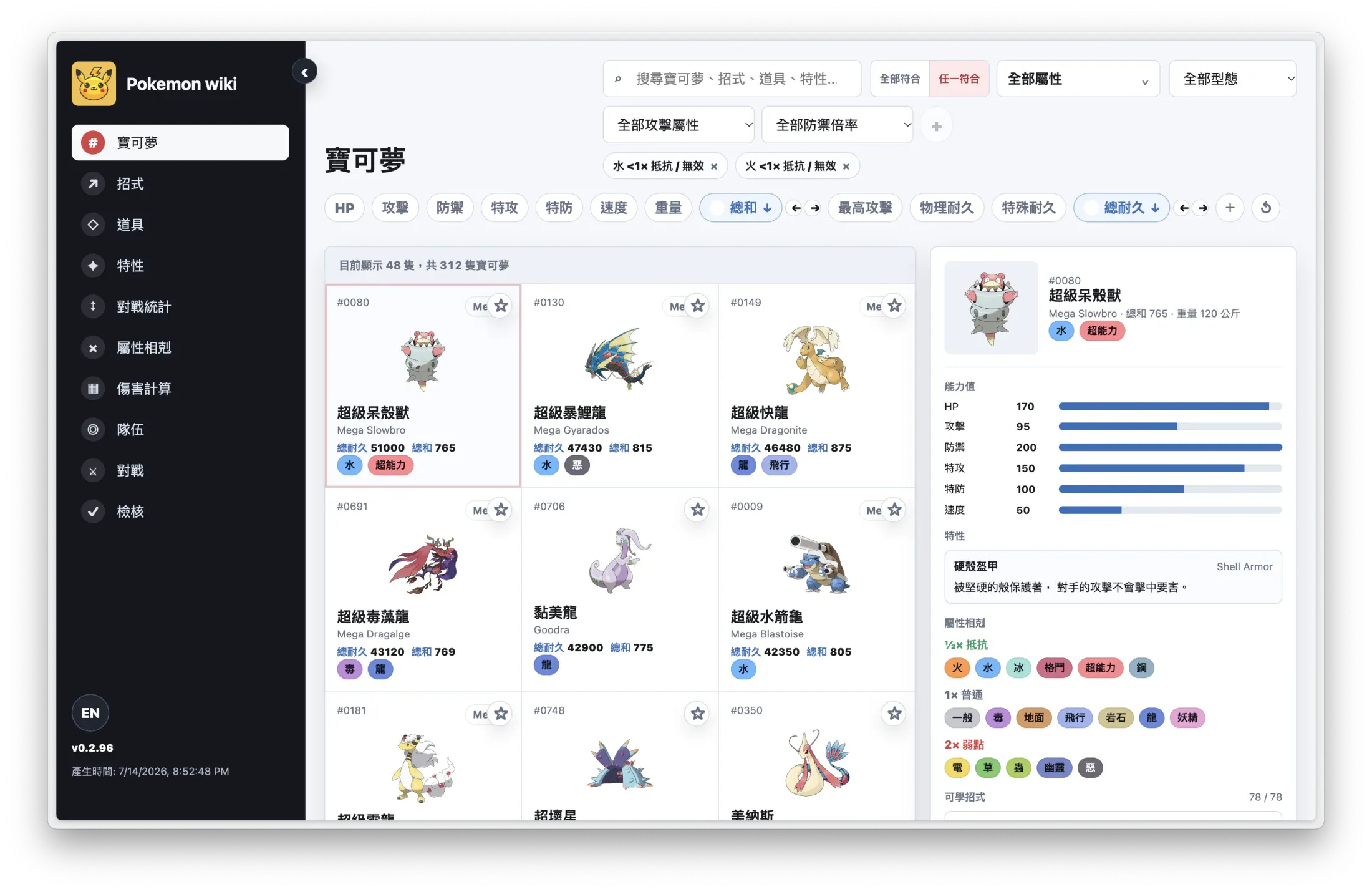
I often see people build something with AI and immediately want to open it up to everyone, and I find that really generous and persistent of them. Making a service that meets your own needs and making one that meets many people’s needs are completely different things. Needs are almost endless, and everyone’s needs together are even bigger. Trying to meet endless needs with limited time can easily burn you out.
The end of an old era, the start of a new one
It’s really only been a little over half a year, but the impact has been so huge that I can’t help marveling at how fast the times are changing. Speaking of eras, a few months ago I think I finished the last website I’ll ever write by hand. Even then I was already using Cursor for a lot of it, so it wasn’t purely handmade. At some point I quietly wrote my last line of code without even noticing, and it feels like saying goodbye to an era. I’m grateful to have lived in this time: I studied computer science, started working, and got to make a bit of money from software for a few years, and only then did this era arrive, where I can build the tools I want without writing code myself. Now I can travel around with ease, with an AI assistant taking care of a lot of chores, leaving me more time to explore the world.